Loading
Powdery Mildew in Mango: Causes, Ideal Conditions, and Best Control Methods
Powdery mildew in mango is one of the most dangerous fungal diseases affecting trees during the flowering stage. If not controlled early, it can cause a significant loss in fruit set.
Its risk increases under fluctuating weather conditions during late winter and early spring — the critical flowering period for mango in Egypt.
Powdery mildew is a fungal disease that infects flower panicles, young leaves, and small fruits. It is caused by the fungus Oidium mangiferae.
It appears as a white to gray powdery coating covering infected parts, especially the flower panicles.
The most critical aspect of this disease is that it directly attacks the flower — the source of production.
Infection occurs when several factors coincide:
1️⃣ High relative humidity
Even without rainfall.
2️⃣ Low nighttime temperatures (15–20°C)
With moderate daytime temperatures.
3️⃣ Morning fog or dew
Creates ideal conditions for fungal spores.
4️⃣ Poor air circulation within the canopy
Due to irregular pruning or high tree density.
5️⃣ Nutritional stress
Especially deficiencies of potassium, calcium, and micronutrients.
Unlike some other fungi, powdery mildew does not require free water. It thrives in:
This is why the disease is commonly observed at the beginning of the flowering season.
Effective control depends on early intervention before the infection becomes widespread.
🔹 Micronized sulfur
⚠ Do not apply at high temperatures to avoid leaf burn.
🔹 Penconazole
🔹 Tebuconazole
🔹 Hexaconazole
🔹 Difenoconazole
🔹 Azoxystrobin
The best strategy for managing powdery mildew includes:
✔ Preventive spraying at the beginning of panicle emergence
✔ Rotation between active ingredients to avoid resistance
✔ Avoiding reliance on a single product throughout the season
✔ Providing proper nutritional support to enhance natural plant immunity
During flowering, the plant is at its most sensitive stage. Any disease stress directly affects:
Including phosphite compounds in the program helps to:
🔹 Stimulate the plant’s natural defense mechanisms
🔹 Reduce disease severity
🔹 Support stable fruit set
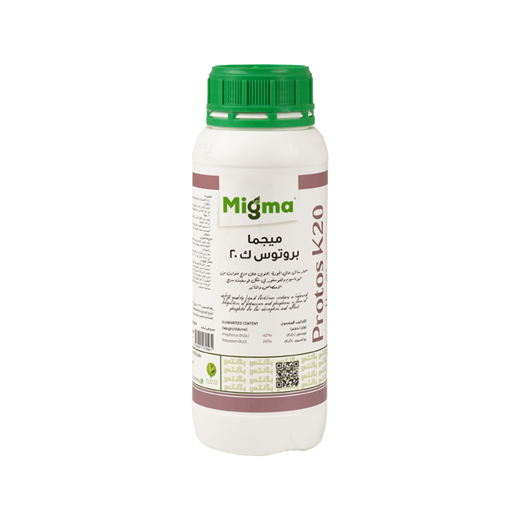
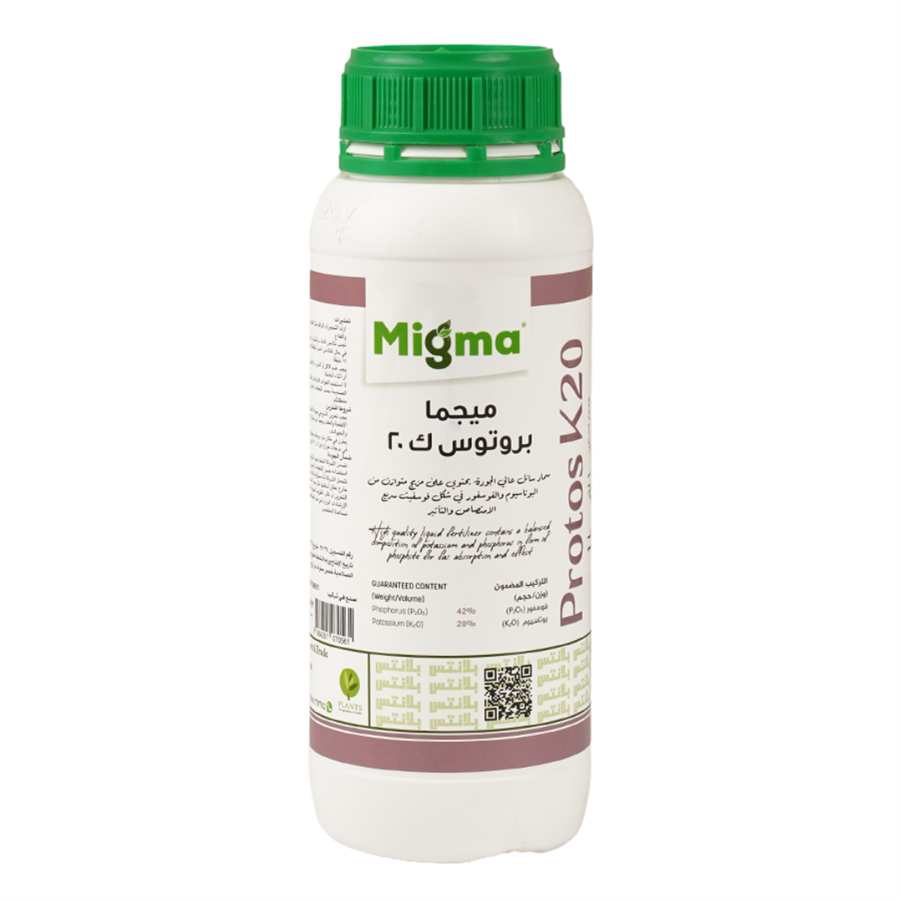
Here comes the role of Megma Protus – 100% Phosphite Protection & Immunity as part of an integrated program to support mango tree immunity during flowering, especially under humid and fluctuating weather conditions.
Phosphite does not replace a specialized fungicide, but it enhances the plant’s ability to resist infection and reduce its impact.
Powdery mildew in mango is a fast-spreading and highly destructive disease affecting fruit set, particularly under mild and humid conditions.
Successful management depends on:
Protect the bloom… protect your mango yield 🌱