Loading
Tomato cultivation is successful throughout the year; however, it faces several problems and challenges, whether due to high temperatures or temperatures dropping below the optimal range for tomato growth. During the current period, tomatoes are experiencing a significant decrease in temperatures, which requires taking several important measures to ensure successful tomato production.
Success begins with proper soil preparation and applying adequate fertilization rates according to soil type. This helps enrich the soil with organic matter and creates an ideal environment for the growth and activity of beneficial microorganisms, which contribute to increasing soil temperature. This, in turn, allows roots to remain active and improves nutrient absorption.
Covering seedlings with plastic tunnels or growing them in greenhouses provides an appropriate amount of warmth, which enhances plant growth under cold conditions. Since nutrient absorption weakens during low temperatures, it is necessary to intervene with foliar sprays in addition to soil fertilization. This practice supports good vegetative growth and results in higher yields.
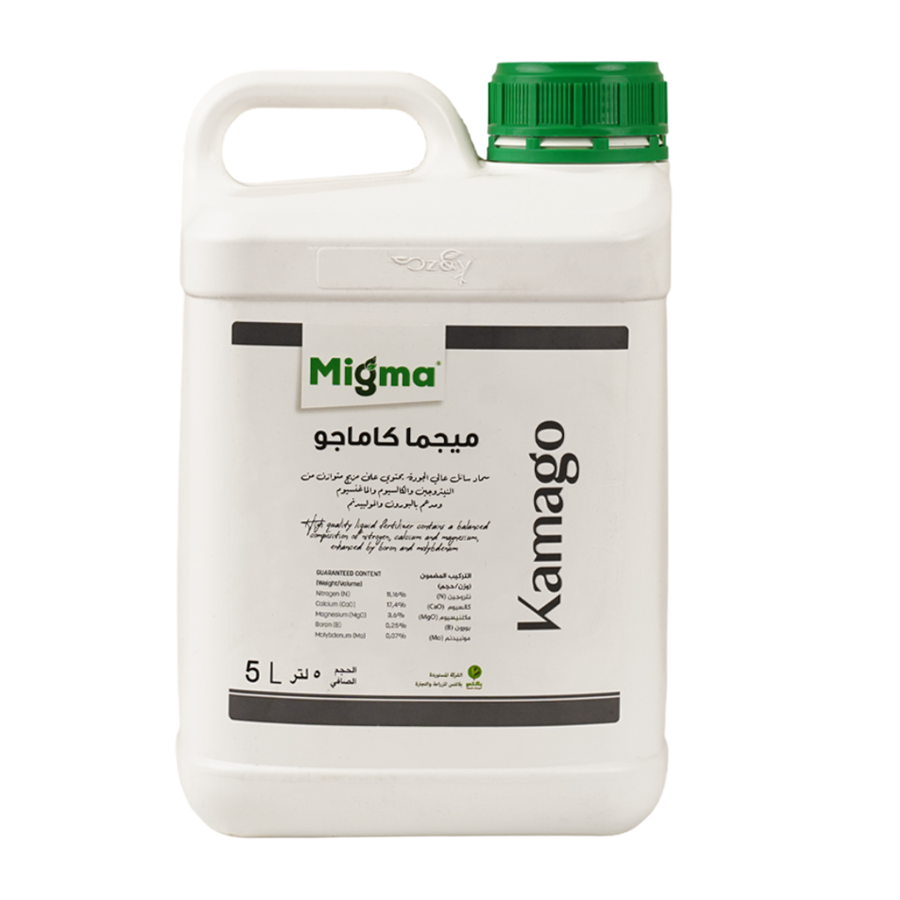
One of the most common problems affecting tomatoes during harsh conditions—whether high or low temperatures—is the absorption and movement of calcium within the plant. Megma Camajo provides calcium and magnesium in a pure form with high plant availability when applied as a foliar spray. It helps achieve ideal vegetative growth for flowering and protects plants from calcium deficiency disorders.
When the plant reaches the flowering stage, around 50 days after planting, it is recommended to apply a compound containing zinc, boron, and molybdenum. This improves ovary vitality, pollen viability, and speeds up the fertilization process.
All these practices collectively ensure high productivity and successful tomato yields during the challenging winter season.