Loading
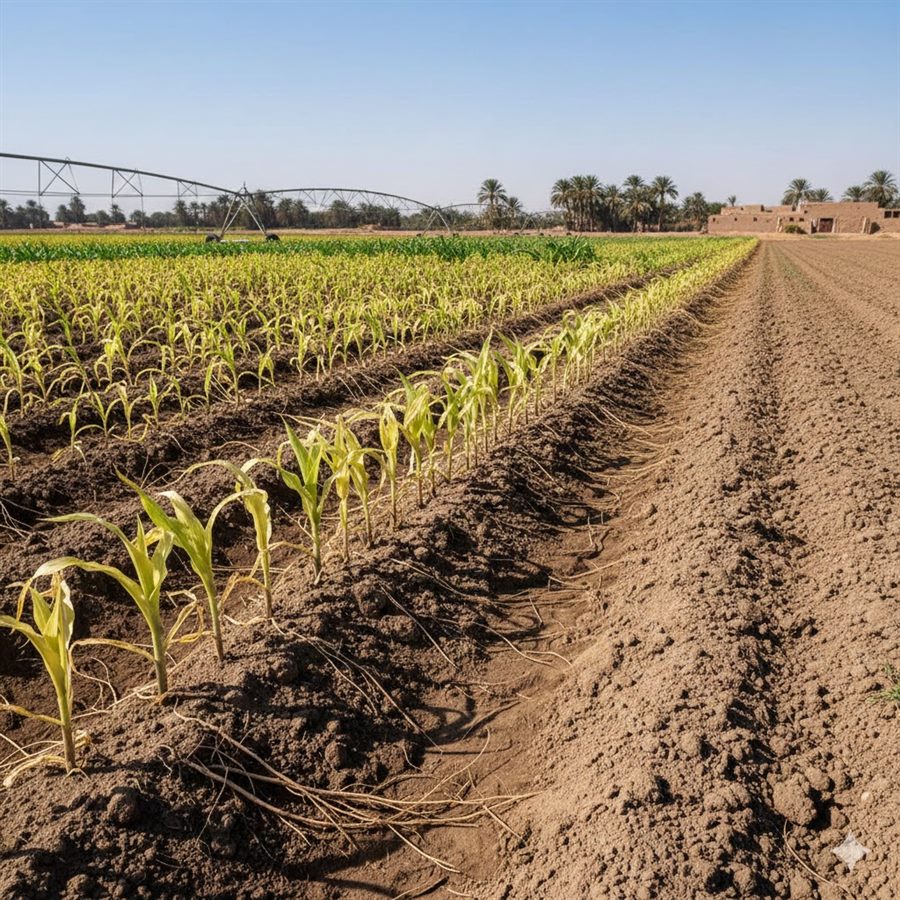
Many farmers suffer from a common problem that directly affects crop yield and quality: poor nutrient uptake from the soil, despite following fertilization programs and using high-quality fertilizers. This issue ultimately leads to weak vegetative growth, poor flowering and fruit set, and reduced productivity.
Poor nutrient uptake means that the plant is unable to fully absorb and utilize the nutrients available in the soil or applied through fertilization. These nutrients may include macronutrients such as nitrogen and potassium, as well as micronutrients like iron, zinc, and manganese.
When soil pH falls outside the optimal range, many nutrients become unavailable for plant absorption, especially iron and zinc.
Weak or diseased roots cannot absorb nutrients efficiently, even if fertilization is applied regularly.
Applying fertilizers in excessive amounts leads to salt accumulation in the soil, which restricts nutrient uptake.
Soils poor in organic matter have a limited ability to retain nutrients and make them available to plants.
Choosing fertilizers that do not match the soil type or crop requirements results in poor nutrient utilization.
Yellowing of young or old leaves
Weak vegetative growth
Poor flowering and fruit set
Flower and fruit drop
Small fruit size and reduced quality
Soil and water analysis help determine pH levels, salinity, and available nutrients, allowing for accurate fertilization programs.
Using root stimulants and organic fertilizers helps strengthen the root system and increase nutrient absorption efficiency.
Chelated nutrients remain stable and easily absorbed, especially in alkaline soils.
Foliar application helps correct nutrient deficiencies quickly, while soil fertilization ensures continuous nutrition.
Balanced fertilization is essential to avoid salt stress and achieve optimal results.
Yes, poor nutrient uptake is one of the most common problems during this period, especially due to:
Weather fluctuations between cold and warm conditions
Pre-flowering stages and active vegetative growth
Newly reclaimed and alkaline soils widely found in Egypt
During these stages, plants require higher nutrient levels, while uptake efficiency decreases, making timely and balanced nutrition essential.
Successful fertilization does not depend only on the type of fertilizer, but also on timing, application rate, and method. Balanced and well-planned nutrition is the safest way to achieve healthy plants and high-quality yields.