Loading
Many farmers wonder about the difference between phosphite and phosphorus when selecting fertilizers to ensure healthy growth and strong plant immunity. In this article, we explain the key differences in a simple way and clarify when to use each one to achieve the best results for your crops.
Phosphorus is the traditional source of this essential nutrient, used in soil application or foliar spraying. It plays a vital role in root development, flowering, and the formation of DNA in all plant cells.
Advantages:
Phosphite is a form of phosphorus (phosphorous acid) known for its rapid absorption through roots or leaves. In addition to nutrition, it plays an important role in enhancing plant immunity against diseases.
Advantages:
If your goal is basic plant nutrition, traditional phosphate is the right choice.
However, if you are looking for plant protection, stronger immunity, better fertilizer efficiency, and optimal growth development, phosphite is the ideal option.
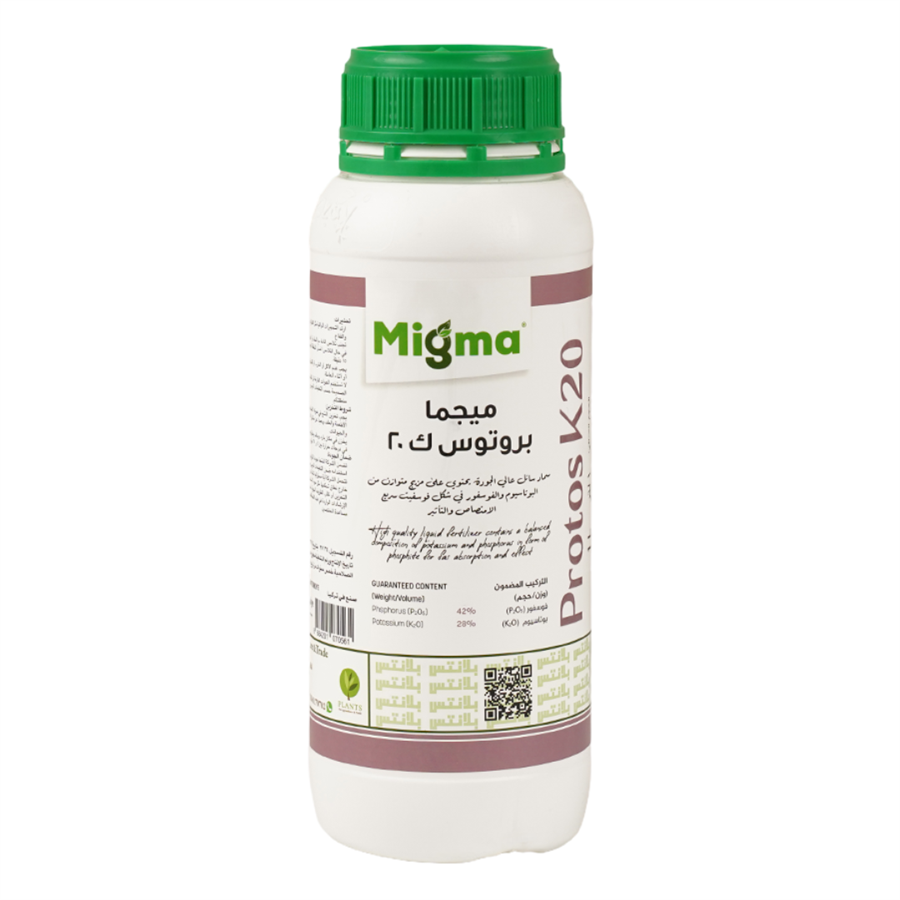
🔸 For best results, we recommend using high-quality phosphite products from Plants, such as “Migma Protos – 100% Phosphite Protection and Immunity”, specially formulated to support plant immunity and achieve balanced crop growth.